


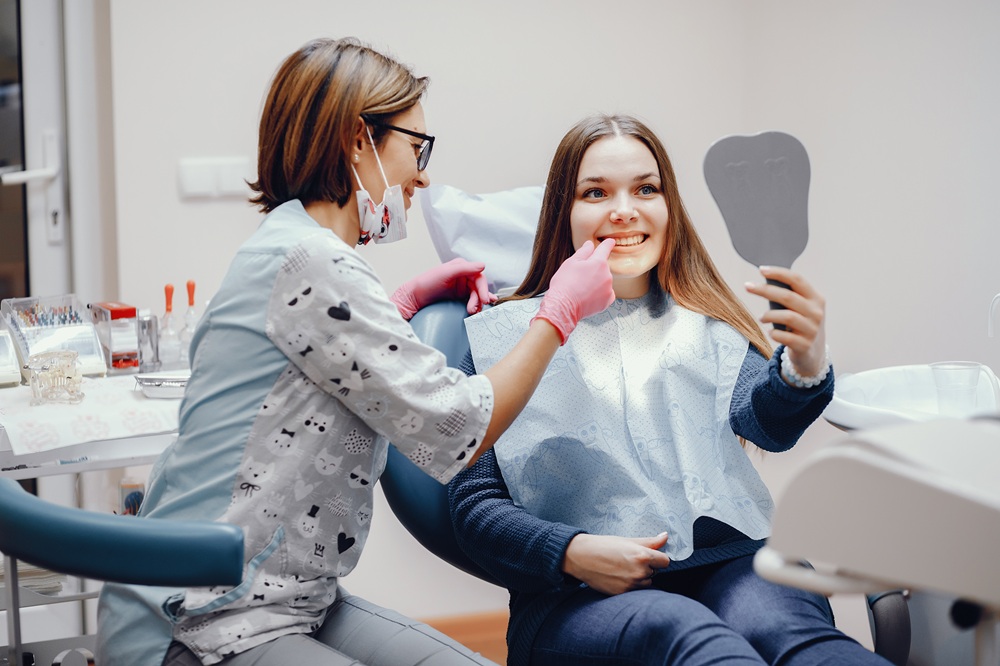
Professional teeth whitening and at-home kits can both help remove stains and make your natural teeth look whiter. However, they differ in strength, dentist guidance, and the time needed to see results. Professional teeth whitening in Hamilton may give faster results because the dentist checks your teeth and gums before treatment. At-home kits are easy to use, but the results depend on the product and how well you follow the instructions. Before choosing, it helps to understand why teeth become stained and how whitening works. The best option depends on your dental health, tooth sensitivity, and the results you want.
Professional Teeth Whitening vs At-Home Kits: What Is the Difference?
The main difference is the product strength and how the treatment is carried out.
Professional teeth whitening
Professional whitening is performed under dental supervision using approved whitening products. The gums and other soft tissues are protected before the whitening gel is applied to the teeth.
Benefits may include:
- Stronger whitening products than many store-bought kits.
- Treatment is selected based on the tooth condition and stain type.
- Guidance to help reduce gum irritation and sensitivity.
- More noticeable results in a shorter treatment period.
At-home whitening kits
At-home whitening kits include strips, gels, and trays that help remove stains and whiten your teeth.
Possible benefits include:
- Convenience and use at home.
- A lower starting cost for some products.
- Gradual changes over several days or weeks.
- Different product options based on individual needs.
However, poorly fitting trays or improper use can expose the gums to whitening gel, causing irritation.
Does Teeth Whitening Work on All Types of Stains?
Teeth whitening works by breaking down coloured compounds that cause stains in natural tooth enamel. However, the results depend on the source of the discolouration.
Whitening may help with:
- Surface stains from coffee, tea, and red wine.
- Discolouration caused by tobacco use.
- Yellowing that develops with age.
- Some stains are linked to certain foods and drinks.
Whitening may not work well on stains caused by tooth injury, certain medicines, or changes inside the tooth. It also does not change the colour of crowns, veneers, fillings, or other dental restorations. An examination can help identify the type of stain before treatment begins.
Is Teeth Whitening Safe?
Teeth whitening is usually safe when the right products are used properly. However, both professional and at-home whitening may cause temporary tooth sensitivity or gum irritation.
Before whitening, it is important to check for:
- Untreated cavities.
- Gum inflammation or infection.
- Cracked or damaged teeth.
- Existing dental restorations may not match the new shade.
- A history of strong tooth sensitivity.
A dental clinic near you can check your teeth and gums before recommending whitening. Whitening products should not be used more often or for longer than instructed, as this can increase sensitivity and irritation.
How Long Does Teeth Whitening Last?
The results may last several months or longer, depending on daily habits, oral care, and the type of treatment used. Frequent use of coffee, tea, red wine, and tobacco can cause stains to return sooner.
To help maintain the results:
- Brush twice daily with fluoride toothpaste.
- Clean between your teeth every day.
- Rinse your mouth with water after dark-coloured drinks.
- Limit foods and drinks that cause stains.
- Attend regular dental cleanings.
- Follow professional advice before using touch-up products.
Professional whitening does not permanently change tooth colour, so that occasional maintenance may be needed.
Which Whitening Option Should You Choose?
The choice between professional treatment and an at-home kit depends on your dental health, budget, and expected results.
Professional whitening may be a better option when:
- Faster or more noticeable results are preferred.
- Tooth sensitivity needs to be considered.
- Stains are difficult to remove with regular products.
- A dental assessment is needed before whitening.
- At-home kits may suit people with healthy teeth and gums who want gradual whitening and can follow product instructions carefully.
A dental clinic near you can help compare suitable options and explain the likely results, costs, and risks before treatment.
Make Your Smile Brighter With the Right Whitening Care
Choosing a whitening treatment should involve more than simply picking the strongest product. Your tooth condition, existing dental work, and sensitivity all matter when deciding which approach is suitable. Contact Westcliffe Dental to explore your whitening options, get answers to your questions, and receive guidance on achieving a brighter-looking smile while keeping your teeth and gums healthy.
FAQs
Is professional teeth whitening stronger than at-home whitening?
Yes. Dentists use stronger products, while at-home kits are milder and may take longer to work.
Can teeth whitening damage tooth enamel?
Whitening products are generally safe for healthy teeth when used correctly. Using too much or using them incorrectly can cause tooth sensitivity and gum irritation.
Can yellow teeth become white again?
Many yellow stains respond well to whitening, especially when caused by food, drinks, or ageing. Results depend on the cause and condition of the teeth.
Can teeth whitening remove stains from fillings or crowns?
No. Whitening products work on natural teeth and do not change the colour of fillings, crowns, or veneers. Existing restorations may need to be reviewed if the surrounding teeth become lighter.